


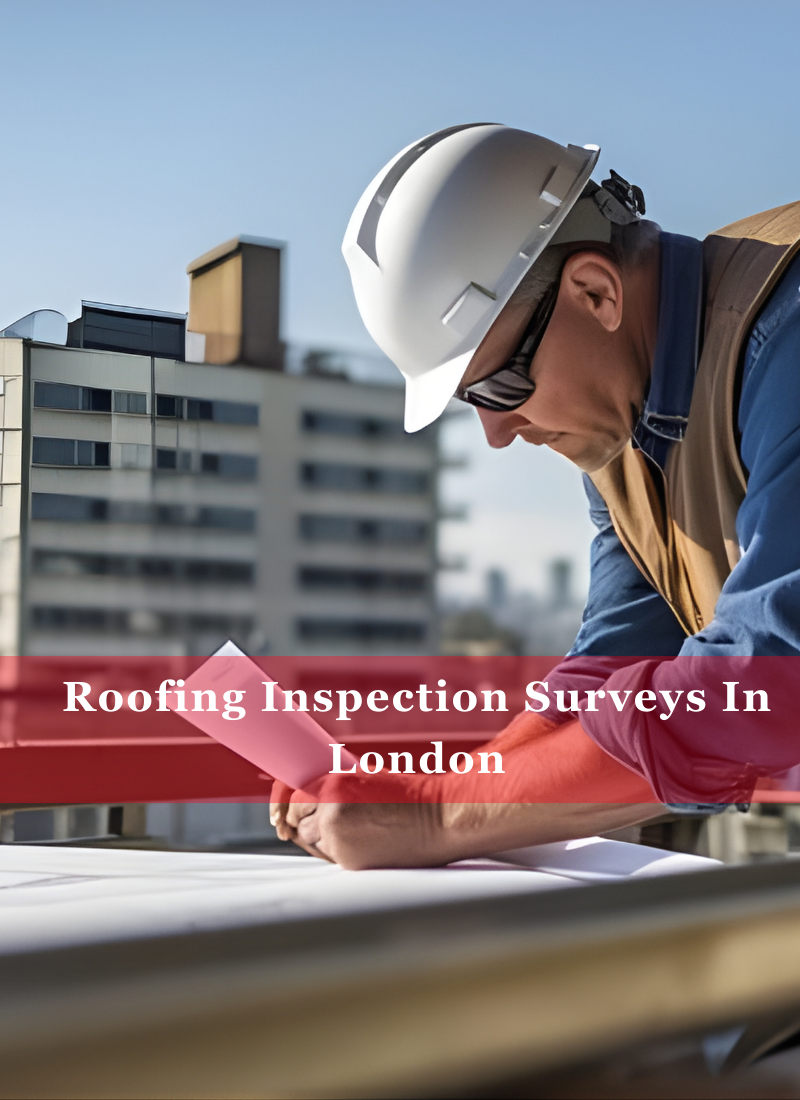
Roofing Inspection Surveys in London: Ensuring Your Roof’s Longevity
Maintaining a healthy roof is crucial for every property owner in London. The unpredictable British weather, ranging from heavy rain to occasional snow, can take a toll on your roof. A roofing inspection survey is the most effective way to ensure your roof remains safe, functional, and durable.
Whether you own a residential property in Camden or a commercial building in Canary Wharf, understanding the importance of professional roofing inspections can save you significant time and money.
What is a Roofing Inspection Survey?
A roofing inspection survey is a thorough assessment of a roof’s condition, carried out by certified professionals. The survey identifies existing damage, potential risks, and areas that may require maintenance or repair. These inspections can be:
- Visual Inspections: A basic examination of accessible areas to spot visible damage, leaks, or wear.
- Detailed Inspections: Includes closer checks using ladders, drones, or thermal imaging to detect hidden issues.
- Post-Storm Assessments: Evaluates damage after storms, heavy rainfall, or high winds.
The goal is to prevent costly repairs and extend the roof’s lifespan.
Why Roofing Inspection Surveys are Essential in London
London’s climate poses unique challenges to roofs:
- Rainfall and Damp Conditions: Frequent rain can cause water ingress, leading to rot and mold.
- Temperature Fluctuations: Expansion and contraction of roofing materials may lead to cracks or leaks.
- Pollution: Urban pollution can accelerate wear on roofing materials, particularly in central London areas.
- Aging Properties: Many London homes are decades old, making periodic surveys critical.
Regular inspections help property owners avoid emergency repairs and maintain property value.


Contact Us
Contact Us
Key Components of a Roofing Inspection Survey
A professional roofing survey typically covers the following areas:
1. Roof Coverings
Inspection of tiles, slates, shingles, or flat roof membranes for signs of damage, wear, or displacement.
2. Flashings and Joints
Ensures all joints, ridges, and edges are sealed properly to prevent leaks.
3. Gutters and Drainage
Checks that gutters, downpipes, and drainage systems are clear and functioning.
4. Roof Structure
Assesses timber beams, rafters, and trusses for rot, warping, or structural weakness.
5. Insulation and Ventilation
Verifies insulation efficiency and airflow to prevent condensation and energy loss.
6. Roof Accessories
Inspecting chimneys, skylights, solar panels, and other rooftop installations.
Benefits of a Roofing Inspection Survey
Investing in a professional roofing survey provides multiple advantages:
- Early Problem Detection: Identify minor issues before they become major, costly repairs.
- Insurance Compliance: Some insurance policies require regular roof inspections.
- Enhanced Property Value: A well-maintained roof boosts resale potential.
- Safety Assurance: Prevent accidents caused by loose tiles, rotten wood, or leaks.
- Cost Savings: Avoid emergency repairs by addressing problems early.
How Often Should You Conduct a Roofing Survey in London?
- Residential Roofs: Every 2–3 years or after severe weather.
- Commercial Roofs: Annually or as recommended by roof warranty.
- Older Properties: More frequent inspections may be necessary.
Scheduling regular surveys ensures long-term protection against the unpredictable London weather.
DIY vs Professional Roofing Inspection
- Accurate damage assessment.
- Safety during high or complex roofs.
- Compliance with insurance or legal requirements.
A professional survey ensures nothing is overlooked and provides peace of mind.
Frequently Asked Questions (FAQ)
1. How long does a roofing inspection survey take?
A standard residential survey usually takes 1–2 hours. Larger or complex roofs may take longer.
2. Can I get a report immediately?
Most professional surveyors provide a detailed written report within 24–48 hours, often including photos.
3. Do surveys cover flat roofs?
Yes, surveys include all roof types—pitched, flat, and even green roofs.
4. Are surveys required for insurance?
Many insurance policies require periodic inspections, especially for older buildings or commercial properties.
5. What happens if damage is found?
Surveyors provide a detailed report with recommendations. Repairs can be scheduled immediately or planned for later.
Take Action Today for a Safer Roof
Don’t wait for leaks or damage to escalate protect your London property now. Schedule a professional roofing inspection survey and get a detailed report with expert recommendations.
Fast, Reliable, and Local Experts
Protect Your Property Value
Prevent Costly Repairs
Conclusion